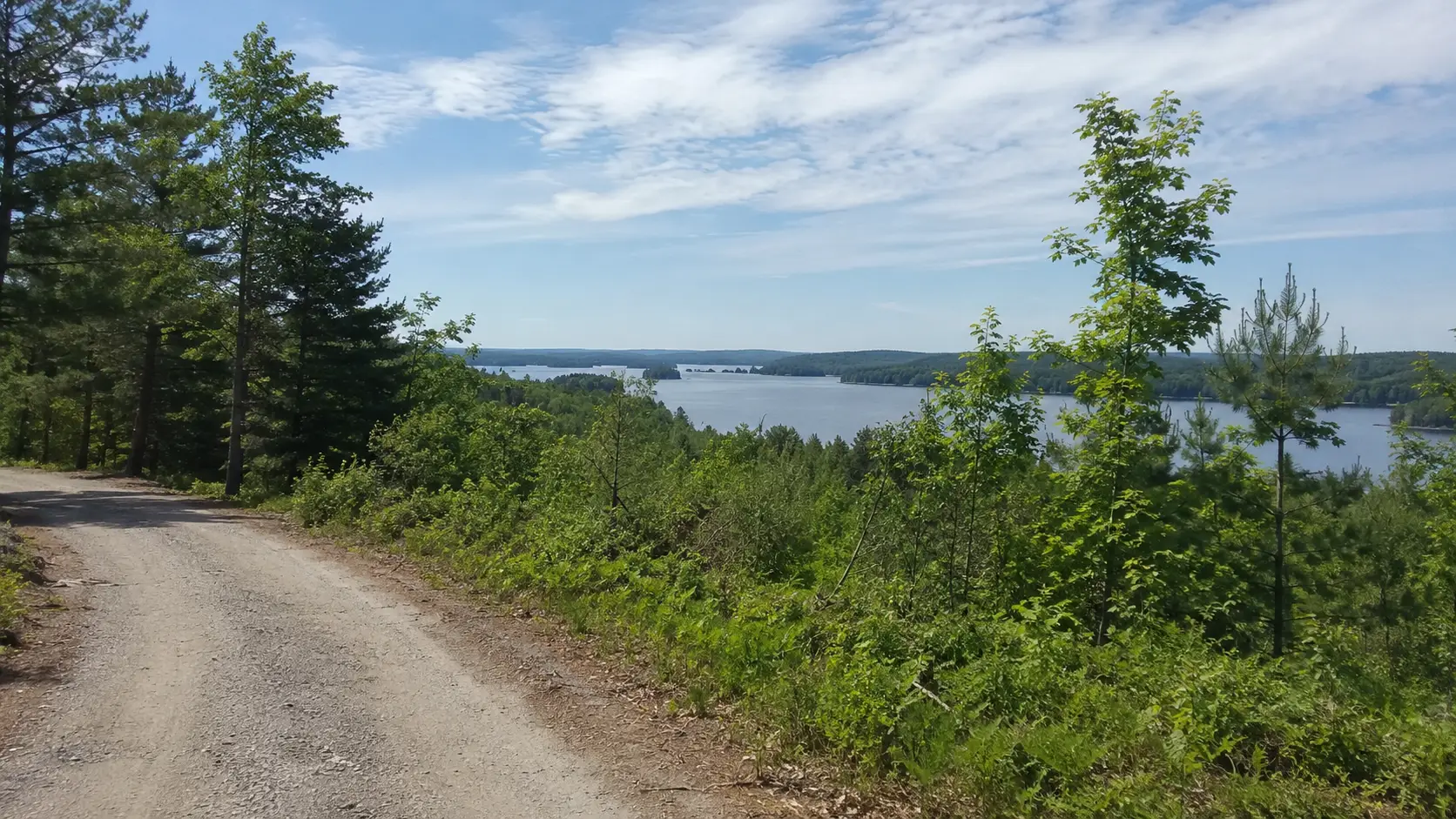

The Rosseau Springs subdivision proposal in Ontario is a proposed rural residential development near the Village of Rosseau in the Township of Seguin. The proposal seeks approval for a 49-lot rural residential subdivision through an Official Plan Amendment, Zoning By-law Amendment, and Draft Plan of Subdivision application.
According to the official Township of Seguin Rosseau Springs notice, the subject lands are located at 0 Maplehurst Road and are tied to applications for zoning, official plan, and subdivision approval. The proposal has drawn attention because it sits near Lake Rosseau, a well-known cottage-country area where development, environmental protection, private servicing, and rural character are closely watched.
In simple terms, the debate is about whether this type of subdivision should be allowed in this location, and under what conditions.
Last Reviewed: July 7, 2026
What Is the Rosseau Springs Subdivision Proposal?
The Rosseau Springs subdivision proposal is a planned rural residential development in Seguin Township, Ontario, near Rosseau Village and Lake Rosseau.
The proposal involves creating 49 residential lots through a Plan of Subdivision. In Ontario, subdivision approval is required when land is divided into multiple parcels for sale or development. The Ontario citizen’s guide to subdivisions explains that subdivision approval helps determine whether proposed lots are suitable for development and whether the project fits with official plans, zoning, roads, servicing, water supply, sewage disposal, and community needs.
For Rosseau Springs, the municipal notice identifies three related planning applications:
| Application Type | Application Number |
| Zoning By-law Amendment | R-2025-0013-H |
| Official Plan Amendment | OPA-2025-0003-H |
| Draft Plan of Subdivision | CON-2025-0001-H |
The owner listed in the official notice is Rosseau Springs Limited, and the subject lands are described as part of Lots 6, 7, and 8, Concessions 4 and 5 in the former Humphrey Township.
Where Is the Proposed Rosseau Springs Development Located?
The proposed development is located near Rosseau Village in the Township of Seguin, within Ontario’s cottage-country region. The Township’s public posting identifies the civic address as 0 Maplehurst Road.
The Rosseau Springs development overview describes the site as approximately 108 hectares, located immediately west of Rosseau Village. The project page says about 83 hectares, or roughly three-quarters of the property, would be retained as natural area.
The location matters because Lake Rosseau and surrounding Muskoka-area communities are highly sensitive to development pressures. New residential lots in these areas can raise questions about water quality, wetlands, forests, private roads, septic systems, stormwater runoff, traffic, and long-term municipal planning.
Why Does the Rosseau Springs Proposal Need Planning Approval?
The Rosseau Springs proposal needs planning approval because the existing planning rules do not simply allow the proposed 49-lot rural residential subdivision as-of-right.
The application seeks to amend Seguin’s Official Plan and rezone the land from Rural (RU) to a site-specific Rural Residential Exception zone. Ontario’s guide to the Planning Act explains that official plan amendments, zoning by-law amendments, and subdivision approvals follow formal planning procedures that include public involvement.
In practical terms, Rosseau Springs Limited is asking the municipality to change the planning permissions for this land so the subdivision can move forward.
This is why the issue is not only about building homes. It is also about whether the project fits Seguin Township’s long-term land-use policies, rural development goals, environmental protections, and servicing expectations.
What Does the Developer Say the Project Will Include?
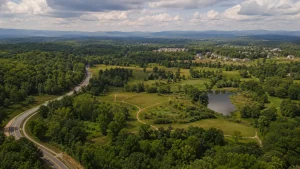
The developer presents Rosseau Springs as an “environment first” rural residential proposal. The project website says the plan aims to protect Lake Rosseau, preserve natural areas, retain wetlands and steep slopes, and provide new housing choice in east Seguin.
The proposal includes:
| Proposed Feature | Details |
| Residential lots | 49 rural residential lots |
| Site size | About 108 hectares |
| Natural lands retained | About 83 hectares, according to the project website |
| Servicing | Private services |
| Roads | Proposed new road connection to Highway 632 |
| Community features | Recreational trails and courts |
| Planning approvals | Official Plan Amendment, rezoning, and subdivision approval |
The developer has also published several reports on the Rosseau Springs studies and documents page, including planning, environmental, hydrogeological, stormwater, geotechnical, archaeological, servicing, and traffic materials.
These reports are important because municipal planning decisions usually depend on evidence, not only public opinion. However, the presence of technical studies does not automatically mean a proposal should be approved. Council, planning staff, agencies, residents, and peer reviewers may still question the assumptions, conclusions, mitigation measures, and long-term enforceability of the proposal.
Why Is the Rosseau Springs Proposal Controversial?
The Rosseau Springs subdivision proposal has become controversial because it touches several sensitive issues at once: rural growth, lake protection, private servicing, municipal planning, housing demand, property rights, and the character of Ontario cottage country.
A CBC report on the Rosseau Springs development debate highlighted public opposition and wider attention around the proposal, including concerns from residents and well-known cottage-country figures. The controversy reflects a larger question facing many Ontario communities: how much rural residential growth is appropriate near lakes, forests, wetlands, and small villages?
For readers who follow Ontario government-related issues more broadly, En Business also covers practical Ontario service topics such as how to change an address on an Ontario driver’s licence and what an Ontario health card version code means. Those guides are different from land-use planning, but they reflect the same need for residents to rely on official Ontario records, deadlines, and public-service processes.
Main Concerns Raised About the Proposal
1. Environmental Protection Near Lake Rosseau
Environmental protection is one of the biggest concerns surrounding the Rosseau Springs subdivision proposal.
The developer’s website says the project is designed to protect Lake Rosseau and preserve natural features, including wetlands, steep slopes, and wooded areas. However, residents and environmental advocates may still ask whether the proposed protections are strong enough for a rural subdivision near a major lake.
Common environmental questions include:
- Could construction affect wetlands, trees, wildlife habitat, or slopes?
- How would stormwater runoff be controlled?
- Could private septic systems affect groundwater or nearby water bodies?
- Would natural areas remain protected after lots are sold?
- How would future homeowners be prevented from removing trees or altering sensitive areas?
These are not minor details. In lake communities, long-term environmental impacts can build slowly through runoff, shoreline alteration, tree removal, road expansion, and private servicing failures.
2. Private Wells and Septic Systems
The Rosseau Springs proposal refers to private services, which makes wells and septic systems a major planning issue.
In rural Ontario, private wells and septic systems are common, but they require careful review. Hydrogeological studies, soil conditions, groundwater flow, lot size, drainage, and long-term maintenance all matter.
The developer has listed a hydrogeological report and servicing options statement among the project materials on its public studies page. For residents, the key issue is whether those reports provide enough confidence that the proposed lots can be safely serviced without affecting neighbouring properties, groundwater, or Lake Rosseau over time.
3. Rural Character and Planning Precedent
Another major concern is whether a 49-lot subdivision fits the rural character of the area.
The land is tied to rural planning designations and Rural zoning in the application materials. The proposal therefore raises a broader planning question: should this land remain largely rural, or should it be allowed to transition into a rural residential subdivision?
Opponents may also worry about precedent. If Rosseau Springs is approved, other landowners may point to it when asking for similar subdivisions in rural or lake-adjacent areas. That does not mean every future project would automatically be approved, but it can influence public debate and planning expectations.
4. Roads, Traffic, and Municipal Services
Subdivision proposals are not only about the lots themselves. They can also affect roads, emergency access, drainage, snow clearing, waste collection, school transportation, and municipal service costs.
The Rosseau Springs materials refer to proposed roads and a new connection to Highway 632. The developer has also listed a traffic impact brief among its project documents.
For Seguin Township, the planning question is whether the proposed access, road design, traffic assumptions, emergency response considerations, and long-term maintenance requirements are acceptable.
5. Public Trust and Transparency
Planning debates often become tense when residents feel decisions are moving too quickly or when technical materials are difficult to understand.
For public confidence, it is important that residents can easily access staff reports, peer reviews, environmental studies, meeting notices, council agendas, and decision documents. The Township’s public posting and the developer’s published studies help make information available, but residents may still want plain-language explanations of what the documents actually mean.
What Are the Arguments in Favour of the Proposal?

Supporters of the Rosseau Springs proposal may argue that the project provides new rural housing choice near Rosseau Village while keeping a large portion of the property as natural land.
The developer’s position, based on its public materials, is that the proposal:
- creates 49 rural residential lots
- retains most of the site as natural area
- protects wetlands, slopes, and natural features
- uses technical studies to support the planning applications
- provides new housing opportunities in east Seguin
- includes private servicing and planned road access
- adds recreational trails and community-style amenities
From a planning perspective, the strongest argument in favour is that the proposal should be reviewed on evidence. If studies, peer reviews, and municipal staff are satisfied that the environmental, servicing, traffic, and land-use concerns can be managed through conditions, agreements, zoning controls, and monitoring, council may consider approval appropriate.
What Are the Arguments Against the Proposal?
Opponents are likely to argue that the proposal is too large or too sensitive for the location, especially because it requires changes to the Official Plan and zoning rules.
Common arguments against the proposal may include:
- It does not fit existing rural planning expectations
- It may create pressure for more rural subdivisions
- private wells and septic systems may create long-term risks
- Natural features may not be protected strongly enough after development
- Traffic and road impacts may be underestimated
- The project could alter the character of Rosseau Village and the surrounding rural area
- Environmental impacts near Lake Rosseau should be treated with extra caution
The strongest opposition argument is not simply “no development.” It is that growth should happen in locations and forms that are already planned for housing, servicing, roads, and long-term municipal sustainability.
What Happens During the Planning Process?
A subdivision proposal in Ontario usually moves through several stages, including pre-consultation, complete application review, technical studies, agency circulation, public notice, public meetings, staff reports, council decisions, and possible appeals.
Ontario’s land-use planning framework is designed to give municipalities, agencies, residents, and applicants a formal process for reviewing development proposals. The Ontario land-use planning guide explains how official plans, zoning by-laws, public consultation, and planning approvals work together.
For the Rosseau Springs proposal, the Township of Seguin posted the notice of complete application and public meeting materials through its municipal website. Residents should check the latest Township of Seguin planning notices and council documents for the current status, because meeting dates, deferrals, staff recommendations, and decisions can change.
Can Residents Object or Comment?
Yes. Residents can usually submit written comments, attend public meetings, and request notice of decisions.
In Ontario planning matters, it is important to participate early. The Planning Act process can affect appeal rights, especially if a person or public body does not make oral submissions at a public meeting or written submissions before a decision is made.
Anyone concerned about the Rosseau Springs subdivision proposal should:
- Read the Township notice carefully
- Review the developer’s technical studies
- Submit comments before stated deadlines
- Ask to be notified of the decision
- attend public meetings where possible
- Focus comments on planning issues such as land use, servicing, environment, roads, compatibility, and official plan policy
Residents who need help understanding legal or planning consequences should consider getting professional planning or legal advice.
Is the Rosseau Springs Proposal Approved?
Based on the official materials reviewed, Rosseau Springs is a proposal that has been moving through the municipal planning process. The Township of Seguin posted the matter as a zoning by-law amendment, official plan amendment, and draft plan of subdivision application.
This article should not be read as confirming final approval or refusal. Planning files can change through council decisions, deferrals, revised applications, staff reports, public comments, agency review, conditions of draft approval, or appeals.
For the latest status, readers should check the Township’s current council agenda, planning reports, meeting minutes, and decision notices.
Why This Proposal Matters Beyond Rosseau?
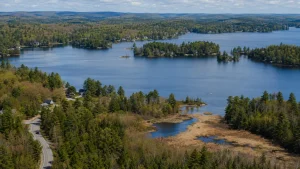
The Rosseau Springs subdivision proposal matters because it reflects a wider Ontario planning challenge: how to balance housing supply, rural growth, environmental protection, and the long-term identity of lake communities.
Many Ontario municipalities face pressure to create more housing. At the same time, cottage-country communities must protect lakes, forests, wetlands, shorelines, dark skies, rural roads, and local character.
Rosseau Springs sits directly at that intersection. The final outcome may influence how residents, developers, municipal staff, and councillors think about future rural residential proposals near lakes and villages in Ontario.
Key Facts About the Rosseau Springs Subdivision Proposal
| Question | Answer |
| What is Rosseau Springs? | A proposed rural residential subdivision near Rosseau Village in Seguin Township, Ontario. |
| How many lots are proposed? | 49 rural residential lots. |
| Who is the listed owner? | Rosseau Springs Limited. |
| What approvals are involved? | Official Plan Amendment, Zoning By-law Amendment, and Draft Plan of Subdivision. |
| What zoning change is proposed? | From Rural to a site-specific Rural Residential Exception zone. |
| Where is it located? | Around 0 Maplehurst Road, west of Rosseau Village. |
| Why is it controversial? | Environmental concerns, rural character, private servicing, traffic, planning precedent, and Lake Rosseau protection. |
| Has the developer submitted studies? | Yes, including planning, environmental, hydrogeological, servicing, stormwater, geotechnical, archaeological, and traffic materials. |
Conclusion
The Rosseau Springs subdivision proposal in Ontario is a high-profile planning issue involving rural housing, environmental protection, Lake Rosseau, private servicing, and the future character of Rosseau Village.
The confirmed proposal involves a 49-lot rural residential subdivision near 0 Maplehurst Road in Seguin Township. The developer says the plan would retain significant natural land and protect environmental features, while opponents remain concerned about long-term impacts on Lake Rosseau, rural character, traffic, servicing, and planning precedent.
For the most accurate status, readers should follow the latest Township of Seguin planning documents, council minutes, staff reports, and decision notices.
FAQs About the Rosseau Springs Subdivision Proposal Ontario
What is the Rosseau Springs subdivision proposal in Ontario?
The Rosseau Springs subdivision proposal is a planning application for a 49-lot rural residential subdivision near Rosseau Village in Seguin Township, Ontario. It involves an Official Plan Amendment, rezoning, and Draft Plan of Subdivision approval.
Is Rosseau Springs near Lake Rosseau?
Yes. The proposed site is near Rosseau Village and within the broader Lake Rosseau area. The developer’s public materials say the land slopes toward Lake Rosseau and that the project has been designed with lake protection in mind.
How many homes could be built?
The current proposal is for 49 rural residential lots. The final number and conditions would depend on the municipal planning process, technical review, public comments, council decisions, and any approval conditions.
Why are people opposing the Rosseau Springs proposal?
Opposition focuses on environmental protection, rural character, private wells and septic systems, traffic, road access, municipal services, and whether this type of subdivision should be allowed in the proposed location.
What does the developer say about environmental protection?
The developer says the proposal would retain most of the property as natural area and protect wetlands, slopes, and natural features. It has also published technical materials on the Rosseau Springs website for public review.
What planning changes are required?
The proposal requires an Official Plan Amendment, Zoning By-law Amendment, and Draft Plan of Subdivision approval. These applications are needed because the proposed 49-lot subdivision does not simply proceed under the existing rural planning rules.
Can residents still comment?
Residents should check the latest Township of Seguin notices, council agendas, and planning pages. If the file is still active, written submissions and meeting participation may be important.
Is this legal advice?
No. This article is for general information only. Anyone affected by the proposal should review official Township documents and seek professional planning or legal advice where needed.