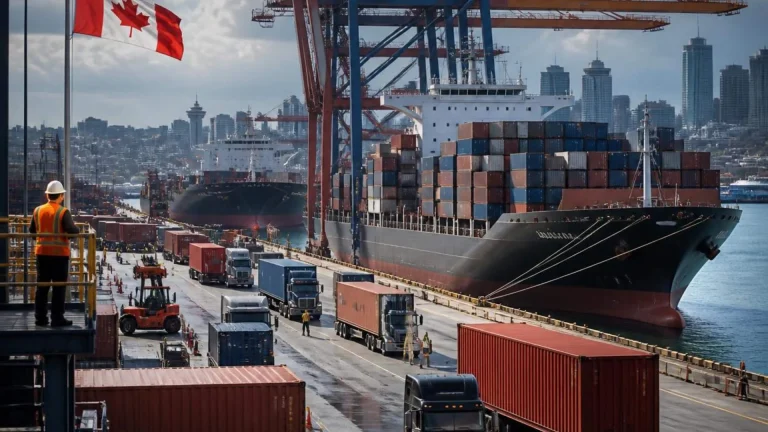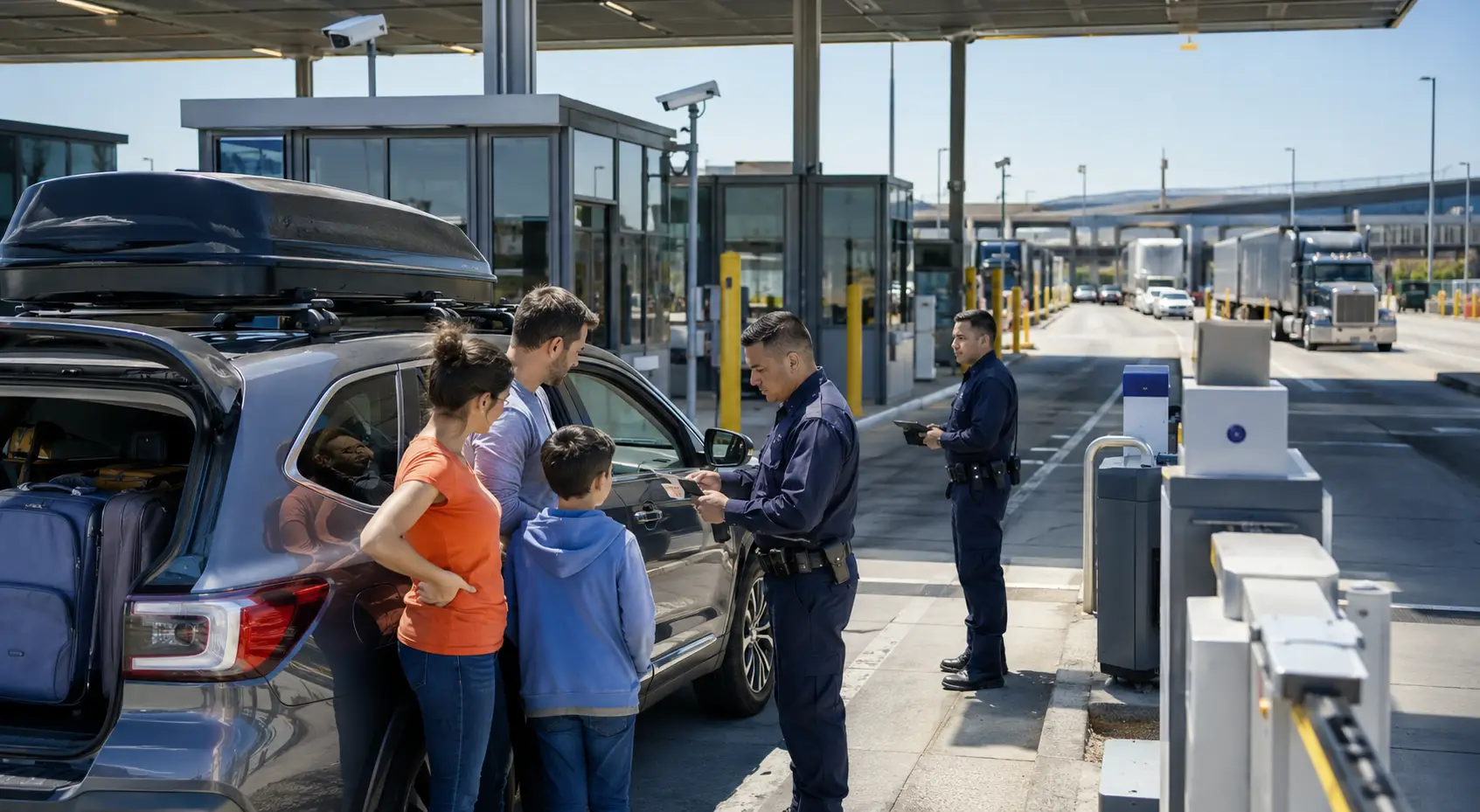

United States Customs and Border Protection, commonly known as CBP, is the federal agency responsible for inspecting people, vehicles, baggage and commercial goods entering the United States.
Canadians may encounter CBP when crossing the land border, passing through U.S. preclearance at a Canadian airport, arriving at an American airport or sending commercial goods into the United States.
CBP combines customs enforcement, immigration inspection, agricultural protection, border security and trade regulation. Its responsibilities include deciding whether travellers may enter, collecting customs duties, inspecting shipments, enforcing import restrictions and preventing prohibited goods from crossing the border.
Although Canadian citizens often benefit from relatively straightforward entry arrangements, admission is never automatic. Travel documents, the purpose of the visit, the intended length of stay and the goods being carried can all affect the inspection process.
What Is United States Customs and Border Protection?
United States Customs and Border Protection is part of the U.S. Department of Homeland Security. Its mission is to protect the American public, secure the country’s borders and support lawful international trade and travel.
CBP operates through several components:
- The Office of Field Operations inspects travellers and cargo at official land, air and sea ports of entry.
- The United States Border Patrol monitors areas between official ports of entry.
- Air and Marine Operations conducts aviation and maritime security operations.
- The Office of Trade enforces U.S. customs and trade laws.
- CBP agriculture specialists inspect food, plants, animals and other agricultural products.
CBP operates at more than 300 ports of entry, where officers screen foreign visitors, returning U.S. citizens, vehicles and imported cargo.
Is CBP the Same as the United States Border Patrol?
CBP and the United States Border Patrol are related but are not exactly the same.
The Border Patrol is a component of CBP. Its officers generally work between official ports of entry, while CBP officers working for the Office of Field Operations inspect travellers and goods at recognised border crossings, airports and seaports.
A Canadian driving through the Ambassador Bridge, Peace Bridge or another official crossing will normally be inspected by a CBP officer rather than a Border Patrol agent.
The distinction is particularly important at major commercial crossings. The ongoing discussion around the Ambassador Bridge and Canada–U.S. trade shows how border infrastructure can affect travellers, trucking companies, customs operations and regional supply chains.
What Is the Difference Between CBP, USCIS and the State Department?
Several American agencies deal with immigration and international travel, but they perform different functions.
| Agency | Main responsibility |
| U.S. Customs and Border Protection | Inspects travellers and goods and decides admissibility at the border |
| U.S. Department of State | Issues visas through U.S. embassies and consulates |
| U.S. Citizenship and Immigration Services | Processes many immigration applications, status extensions and registration requirements |
| Transportation Security Administration | Conducts aviation security screening |
| Canada Border Services Agency | Handles Canadian customs, immigration and border enforcement |
Possessing a valid visa, ESTA approval or other travel authorisation allows a person to request entry. It does not guarantee admission because a CBP officer makes the final decision at the port of entry.
Do Canadian Citizens Need a Visa or ESTA?
Canadian citizens travelling with a valid Canadian passport generally do not need a non-immigrant visa for tourism, visiting family or conducting permitted temporary business activities.
They also do not normally need an Electronic System for Travel Authorization, or ESTA, when travelling with a Canadian passport. However, visas or other immigration documentation may be required for employment, study, investment, permanent immigration and certain specialist activities.
Temporary business activities may include attending meetings, negotiating contracts, consulting with business associates or participating in a conference. Performing productive employment for a U.S. organisation is different and may require work-authorised status.
Travellers should describe their activities accurately. Calling paid work a “business meeting” does not change its legal character and could lead to refusal, cancellation of travel documents or future admissibility problems.
Do Canadian Permanent Residents Need a U.S. Visa?

Canadian permanent resident status does not provide the same U.S. entry privileges as Canadian citizenship.
A permanent resident’s requirements are normally based on their nationality and passport. Depending on the country of citizenship, the traveller may need:
- A U.S. visitor visa;
- An approved ESTA under the Visa Waiver Program;
- A valid passport; and
- Supporting immigration or travel documents.
A Canadian permanent resident card proves status in Canada, but it does not by itself authorise entry into the United States. CBP advises Canadian residents who are landed immigrants to check the requirements applying to their citizenship before travelling.
What Documents Should Canadians Carry?
The exact documentation depends on citizenship, travel method and purpose. Travellers may need to carry:
- A valid passport or another CBP-accepted travel document;
- A visa or ESTA when required;
- Confirmation of accommodation;
- A return or onward travel itinerary;
- Evidence of employment, residence or other ties to Canada;
- Documents explaining a business meeting, conference or professional engagement;
- Properly labelled prescription medication;
- Parental consent documentation when travelling with a child who is not accompanied by both parents; and
- Receipts or invoices for goods being transported.
Canadian citizens flying to the United States generally require a valid passport. NEXUS members may be able to use their NEXUS card in approved circumstances and locations. Different documentary rules can apply at land and sea crossings.
Families preparing for international travel can also review the requirements for obtaining a Canadian passport for a child well before the planned departure date.
What Happens During a CBP Border Inspection?
At primary inspection, a CBP officer normally examines the traveller’s documents and asks questions intended to establish identity, citizenship, admissibility and the purpose of the visit.
Questions may cover:
- The reason for travelling;
- The expected length of the stay;
- Where the traveller will be staying;
- Employment or business activities;
- Goods, food or currency being carried;
- Previous visits to the United States;
- Criminal, immigration or customs history; and
- Connections to Canada.
Answers should be accurate, direct and consistent with the supporting documents. Knowingly giving false or misleading information can create more serious problems than simply explaining an unusual travel situation honestly.
What Is Secondary Inspection?
A traveller may be referred to secondary inspection when CBP needs more time or information to determine admissibility.
Secondary inspection does not necessarily mean that the traveller is suspected of a crime. It may occur because of random screening, an identification issue, incomplete documents, a previous immigration record, declared goods or a need to inspect baggage more closely.
During secondary inspection, officers may:
- Conduct additional questioning;
- Search luggage or a vehicle;
- Review immigration records;
- Verify the purpose of travel;
- Examine supporting documents;
- Inspect electronic devices; or
- Ask another officer or specialist to review the case.
The process can take significantly longer than primary inspection, so travellers with complicated immigration histories or unusual business arrangements should allow additional time.
Can CBP Search a Traveller’s Phone or Laptop?
U.S. border officers have broad authority to examine electronic devices presented at a port of entry.
The Government of Canada warns that U.S. border officials may request access to phones, tablets and computers. Refusing to provide access may result in device seizure, delays or denial of entry for a person who is not a U.S. citizen. Canada also advises travellers to place devices in airplane mode before crossing so that remote information is not downloaded unintentionally.
Business travellers should consider using a dedicated travel device and following their organisation’s privacy, cybersecurity and client-confidentiality policies. Devices should not contain information the traveller is not authorised to take across an international border.
What Must Be Declared to CBP?
Travellers must truthfully declare goods and regulated items they are bringing into the United States.
Commonly declarable items include:
- Food and agricultural products;
- Plants, seeds and soil;
- Meat, fruit and vegetables;
- Animals and animal products;
- Alcohol and tobacco;
- Prescription medicines and controlled substances;
- Commercial merchandise;
- Gifts and goods that will remain in the United States; and
- Currency or monetary instruments above the reporting threshold.
When uncertain, declaring an item is generally safer than attempting to conceal it. A properly declared agricultural product that is not permitted may sometimes be surrendered at the border. Failing to declare it can result in seizure or a penalty. CBP requires travellers to declare agricultural products so specialists can determine whether they are admissible.
The current rules for food, plants and animal products should be checked through CBP’s agricultural entry requirements before departure.
How Much Cash Can Be Taken Into the United States?
There is no general prohibition against carrying more than US$10,000 into or out of the United States. However, amounts exceeding US$10,000 in combined currency and specified monetary instruments must be reported to CBP.
The threshold applies to the combined amount being transported, not simply the amount held by each individual when money is being carried jointly or on another person’s behalf. Monetary instruments may include certain traveller’s cheques, money orders and negotiable instruments.
Canadians moving funds for legitimate reasons may also want to compare regulated methods for sending money from Canada to the United States rather than carrying a large amount of physical currency.
What Is an I-94 Arrival and Departure Record?
An I-94 is the official record showing a non-citizen’s admission into the United States, immigration classification and authorised period of stay.
Most I-94 records are now created electronically. Travellers can use the official CBP I-94 service to retrieve their most recent record and review the admitted-until date.
The date shown on an I-94 is particularly important because it controls how long the person is authorised to remain in the United States. It should not be confused with the expiration date of a passport or visa.
Canadian visitors may generally be admitted for up to six months, but the actual period is determined by CBP. Frequent or lengthy visits can lead officers to question whether the traveller is effectively living in the United States rather than making temporary visits.
Do Canadians Staying Longer Than 30 Days Need to Register?

Some Canadian visitors entering through a land port do not receive an I-94 or another document that counts as evidence of alien registration.
Under the U.S. registration rules, a Canadian visitor who is not already registered and remains in the United States for 30 days or longer may need to submit Form G-325R before the 30-day period expires. Travellers who have been issued an electronic or paper I-94 are generally already registered for this purpose.
The requirement depends on the individual’s records and method of admission. Anyone planning an extended stay should use the official USCIS registration assessment rather than assuming that ordinary Canadian visitor rules cover every obligation.
How Does U.S. Preclearance Work in Canada?
U.S. preclearance allows travellers to complete CBP immigration and customs inspection before boarding a flight at participating Canadian airports.
Instead of completing formal entry inspection after landing in the United States, passengers meet U.S. preclearance officers in Canada. Officers can inspect luggage, review travel documents and refuse permission to enter.
The preclearance area remains subject to Canadian law, including Canada’s Preclearance Act and applicable Canadian rights protections. Knowingly giving false or deceptive information to a preclearance officer is an offence.
Can NEXUS Members Avoid Regular Border Inspection?
NEXUS provides expedited processing for approved low-risk travellers entering Canada and the United States.
Members may use designated NEXUS lanes, kiosks or other expedited facilities where available. However, NEXUS does not guarantee admission or exemption from inspection. Members must continue to declare goods and comply with all immigration, customs and agricultural rules.
Violations can lead to membership cancellation as well as customs or immigration consequences.
Travellers crossing by road can consult the official CBP border wait-time service for current estimates at Canadian ports of entry. Wait times can change quickly because of traffic, staffing, weather, inspections and commercial congestion.
How Does CBP Affect Canadian Businesses?
CBP plays a central role whenever a Canadian company sends commercial goods to American customers, warehouses, distributors or retailers.
A business importing goods into the United States may need to determine:
- Who will act as the importer of record;
- The correct Harmonized Tariff Schedule classification;
- The customs value of the shipment;
- The product’s country of origin;
- Whether duties, tariffs or trade remedies apply;
- Whether another U.S. regulator requires a licence or permit;
- Whether the shipment qualifies for preferential treatment;
- Whether formal customs entry is required; and
- Whether a licensed customs broker should be appointed.
CBP describes compliance as a shared responsibility between the agency and the importing community. Hiring a broker may simplify the filing process, but it does not automatically remove the importer’s legal responsibility for accurate information.
Canadian companies should review CBP’s basic importing and exporting requirements before accepting responsibility for duties or offering delivered-duty-paid shipping to U.S. customers.
Changing tariffs and customs measures can also affect freight prices. The analysis of U.S. tariff-related shipping cost increases explains how import charges, early ordering and capacity pressures can move through Canadian supply chains.
Can CBP Delay a Parcel?
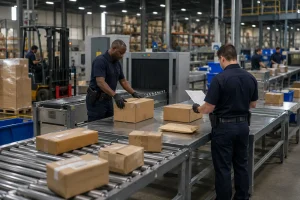
International parcels may be held while CBP or another U.S. regulator examines the shipment, verifies its value, calculates duties or requests additional documentation.
A tracking status that stops updating does not always mean the parcel has been lost. The carrier may be waiting for customs release before continuing delivery. Similar issues can arise when Canadian shipments are processed by border agencies before Canada Post receives them, as explained in the overview of Canada Post delivery times and customs delays.
Businesses can reduce delays by using an accurate product description, customs value, country of origin, tariff classification and recipient information.
What Should Someone Do After a CBP Problem?
A traveller who experiences a delayed inspection, incorrect I-94, repeated secondary screening or another border issue should record:
- The date and approximate time;
- The airport or land port;
- The inspection lane or location;
- The officer’s name or badge number, when available;
- Copies of documents provided;
- Any written decision or form received; and
- A clear factual account of what happened.
Questions and complaints can be submitted through the official CBP Information Center. People who repeatedly experience screening problems or believe an incorrect government record is affecting their travel may use the Department of Homeland Security Traveler Redress Inquiry Program.
A refusal of admission, expedited removal order, finding of misrepresentation or criminal inadmissibility issue can have long-term consequences. Professional U.S. immigration legal advice may be appropriate before attempting another crossing.
How Can Travellers Avoid CBP Scams?
CBP warns that it does not call people to demand money or payment over the phone.
Someone receiving a call claiming that drugs, money or illegal packages have been intercepted should not provide banking information, gift cards, cryptocurrency or identity documents. The communication should be verified independently through the official CBP website or Information Center.
Official CBP services use U.S. government domains. Travellers should be particularly careful with unofficial websites charging additional fees for ESTA, I-94 or trusted traveller services.
Canadian citizens may have simplified travel arrangements, but United States Customs and Border Protection still has authority to inspect travellers, assess their purpose of entry, examine goods and determine whether they are admissible.
Requirements can change because of immigration policy, trade measures, public health restrictions and security procedures. Travellers and businesses should therefore verify their situation through official CBP, U.S. State Department or USCIS resources before relying on previous border-crossing experience.
Last reviewed: July 20, 2026. Immigration, customs and trade requirements depend on individual circumstances. The information above is general and does not replace legal or customs advice.
Frequently Asked Questions
Do Canadian citizens need an ESTA to visit the United States?
Canadian citizens travelling with a Canadian passport generally do not need an ESTA. Different rules apply to Canadian permanent residents who are citizens of Visa Waiver Program countries.
Can a Canadian Be Refused Entry to the United States?
Yes. Canadian citizenship, a visa, ESTA approval or NEXUS membership does not guarantee admission. A CBP officer determines admissibility at the port of entry.
How Long Can a Canadian Stay in the United States?
Canadian visitors may commonly be admitted for up to six months, but the period is determined by CBP. Travellers should check their passport notation and electronic I-94 record when one is issued.
Can Cbp Inspect a Vehicle Without a Warrant?
CBP has broad inspection authority at the international border and may inspect vehicles, baggage and goods presented for entry.
Can Cbp Search a Mobile Phone?
Electronic devices may be examined at a U.S. port of entry. Refusing access may lead to delay, device detention or denial of entry for a non-U.S. citizen.
Does Cash Over Us$10,000 Have to Be Surrendered?
No. Carrying more than US$10,000 is not automatically illegal, but the full amount must be reported when entering or leaving the United States.
Does Nexus Guarantee Faster Entry?
NEXUS normally provides access to expedited processing where facilities are available, but members can still be questioned, searched or referred to secondary inspection.
Is Cbp Responsible for Issuing U.s. Visas?
No. The U.S. Department of State issues visas. CBP inspects the traveller and makes the admission decision at the border.
What is the Most Important Cbp Rule for Canadians?
The most important principle is to arrive with the correct documents and provide complete, truthful information.